
Results for 'benefit of clinical trials'

 Bridget Rasmusson
Positioning Yourself to Become an MSL in 2022
MSL role, clinical background, academic background, research background, industry, MSL Society, conference, scientific expert, therapeutic expertise, pharma companies
After attending the MSL Society’s 9th annual conference in Vegas Last week, I have taken some time to reflect on inquiries our team received about how to effectively step into the MSL role from a clinical, academic, or research background. Industry is a tough nut to crack, but it is absolutely…
Dec 21st • 10 mins read

 Avi Cherla, MSc; Huseyin Naci, MHS, PhD; Aaron S. Kesselheim, MD, JD, MPH; Bishal Gyawali, MD, PhD; Elias Mossialos, MD, PhD
Assessment of Coverage in England of Cancer Drugs Qualifying for US Food and Drug Administration Accelerated Approval
FDA, NHS, accelerated approval, NICE, clinical trial findings
The study evaluates the acceptance and coverage of FDA-accelerated approved cancer drugs by the National Health Service (NHS) in England, focusing on decisions made by the National Institute for Health and Care Excellence (NICE). A total of 93 cancer drug indications received accelerated approval…
Feb 22nd • 10 mins read
 Yuan Zhang, Xu Liu, Ying-Qin Li, Ling-Long Tang, Lei Chen, Jun Ma
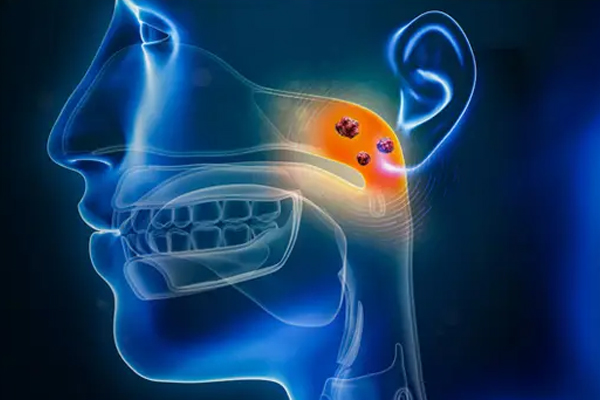
A Field Test of Major Value Frameworks in Chemotherapy of Nasopharyngeal Carcinoma-To Know, Then to Measure
value framework, European Society for Medical Oncology, Magnitude of Clinical Benefit Scale, American Society of Clinical Oncology, drug therapy, nasopharyngeal neoplasms
The European Society for Medical Oncology (ESMO) and the American Society of Clinical Oncology (ASCO) have developed frameworks to evaluate cancer treatments, particularly for nasopharyngeal carcinoma. A study compared these frameworks using data from 15 randomized controlled trials of systemic c…
Aug 12th • 10 mins read
 Daan Geert Knapen, Nathan I. Cherny, Panagiota Zygoura, Nicola Jane Latino, Jean-Yves Douillard, Urania Dafni, Elisabeth G.E. de Vries, Derk Jan de Groot
Lessons learnt from scoring adjuvant colon cancer trials and meta-analyses using the ESMO-Magnitude of Clinical Benefit Scale V.1.1
ESMO-MCBS, early colon cancer, toxicity, adjuvant chemotherapy, quality of life
Form 1 of the European Society for Medical Oncology-Magnitude of Clinical Benefit Scale (ESMO-MCBS) is used to grade therapies with curative intent. The study aimed to evaluate the applicability and reasonableness of the ESMO-MCBS scores in early colon cancer. Adjuvant studies were sourced f…
Sep 6th • 17 mins read
 Fei Liang, Sheng Zhang, Qin Wang, Wenfeng Li
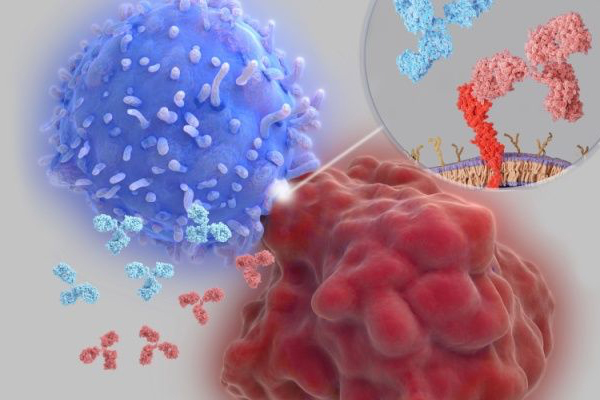
Clinical benefit of immune checkpoint inhibitors approved by US Food and Drug Administration
Randomized trials, Clinical benefits, Immune checkpoint inhibitors, Cancer, Food and drug administration agency
The study evaluates the clinical benefits of immune checkpoint inhibitors using the ESMO-MCBS and ASCO VF scales. 18 indications for these inhibitors were approved based on RCTs conducted between 2011 and 2018. All indications meet the ESMO-MCBS 1.1 threshold for meaningful bene…
Aug 31st • 16 mins read
 Stefanie Broes, Robbe Saesen, Denis Lacombe, Isabelle Huys
Past, Current, and Future Cancer Clinical Research Collaborations: The Case of the European Organisation for Research and Treatment of Cancer
European organisation for Research and Treatment of Cancer, EORTC, clinical research
Collaborations between academic institutions and industry have led to significant scientific breakthroughs in pharmaceutical research, particularly in the discovery phase. The role of multi-stakeholder partnerships in the clinical development of anticancer medicines requires further clarification…
Aug 16th • 8 mins read
Consolación Molto MD, Thomas J. Hwang AB, Maria Borrell MD, Marta Andres MD, Ignasi Gich MD, PhD, Agustí Barnadas MD, PhD, Eitan Amir MD, PhD, Aaron S. Kesselheim MD, JD, MPH, Ariadna Tibau MD, PhD
Clinical benefit and cost of breakthrough cancer drugs approved by the US Food and Drug Administration
USFDA, ESMO-MCBS, NCCN, ASCO-CRC, clinical, drug aroval
The study evaluates the clinical benefit and pricing of breakthrough-designated versus non-breakthrough-designated cancer drugs. The analysis covers approvals from July 2012 to December 2017, using frameworks like ASCO-VF, ASCO-CRC, ESMO-MCBS, and NCCN Evidence Blocks. High clinical benef…
Jul 22nd • 12 mins read
 Mateusz T. Wasylewski, Karolina Strzebonska, Magdalena Koperny, Maciej Polak, Jonathan Kimmelman, Marcin Waligora
Clinical development success rates and social value of pediatric Phase 1 trials in oncology
pediatric oncology, clinical development, trials, success rates
Pediatric Phase 1 trials in oncology aim to assess social value, focusing on rates of approval, transition to further phases, and citation in research. The study analyzed trials from 2004 to 2013, utilizing data from FDA, EMA, ClinicalTrials.gov, EU Clinical Trials Register, and Google Scholar. …
Jun 21st • 28 mins read
 Sean X Zhang, MSc , Dean Fergusson, PhD , Jonathan Kimmelman, PhD
Proportion of Patients in Phase I Oncology Trials Receiving Treatments That Are Ultimately Approved
cancer, biological markers, phase 1 clinical trials, drug approval, medical oncology, united states food and drug administration guidelines, adverse event, national comprehensive cancer network, American society of clinical oncology
Phase I oncology trials are often considered a therapeutic option, but this claim is primarily based on surrogate measures like objective response rates. A systematic search was conducted to evaluate the therapeutic value of phase I cancer trial participation, focusing on the likelihood of patien…
Apr 1st • 14 mins read
 Nicole Grossmann, Martin Robausch, Eleen Rothschedl, Claudia Wild, Judit Simon
Publicly accessible evidence of health-related quality of life benefits associated with cancer drugs approved by the European Medicines Agency between 2009 and 2015
Antineoplastic agents, Health-related quality of life, Clinical efficacy, Drug approvals, Patient-relevant outcomes
The study investigates cancer drugs approved by the European Medicines Agency (EMA) that initially lack Health-related Quality of Life (HRQoL) information. Data was collected for cancer indications approved between January 2009 and October 2015, using sources like the EMA website, clinical…
Feb 23rd • 12 mins read
 Barbara Kiesewetter , Nathan I Cherny, Nicolas Boissel, Francesco Cerisoli, Urania Dafni, Elisabeth G E de Vries, Paolo Ghia, Nicola Gökbuget, Verónica González-Calle, Brian Huntly, Ulrich Jäger, Nicola Jane Latino, Jean-Yves Douillard, Luca Malcovati, Ma
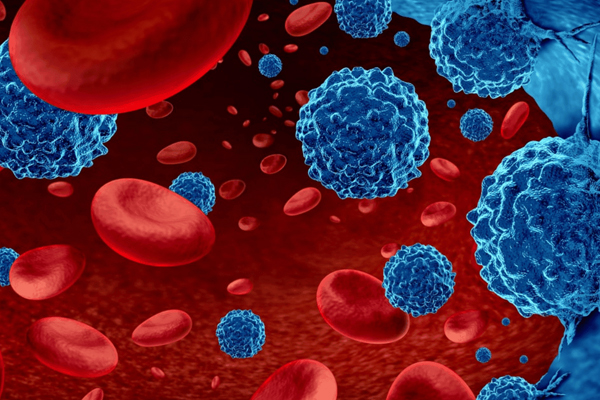
EHA evaluation of the ESMO-Magnitude of Clinical Benefit Scale version 1.1 (ESMO-MCBS v1.1) for hematological malignancies
ESMO, hematological malignancies, Clinical benefit scale, EHA
The ESMO-MCBS v1.1 has not been previously validated for haematological malignancies, but it is being explored to avoid duplication of efforts. A feasibility test was conducted using 80 studies related to various haematological malignancies such as acute and chronic leukaemia, lymphoma, myel…
Jan 20th • 20 mins read
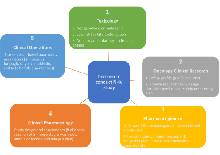 Mariam A. Ahmed, Chirag Patel, Nicole Drezner, Whitney Helms, Weiwei Tan, Daria Stypinski
Pivotal Considerations for Optimal Deployment of Healthy Volunteers in Oncology Drug Development
drug development, healthy, volunteers, oncology clinical trial
The content discusses the challenges and opportunities in conducting oncology clinical trials, particularly focusing on trials involving normal healthy volunteers (NHVs) and patients with cancer. There are over 5,000 ongoing oncology trials in the U.S., with low enrollment rates among adult c…
Oct 31st • 20 mins read
 Christopher A. Busch, MSC; Johannes Krisam, PhD; Meinhard Kieser, PhD
A Comprehensive Comparison of Additional Benefit Assessment Methods Applied by Institute for Quality and Efficiency in Health Care and European Society for Medical Oncology for Time-to-Event Endpoints After Significant Phase III Trials—A Simulation Study
cancer drug trials, time-to-event endpoints, overall survival, added benefit assessment, IQWiG, hazard ratio thresholds
The European Society for Medical Oncology (ESMO) and the German Institute for Quality and Efficiency in Health Care (IQWiG) use different methods for assessing additional benefit in cancer therapies, with ESMO considering both relative and absolute benefits, while IQWiG focuses on the upper limit …
Jun 28th • 30 mins read
 Yichen Zhang, MSc; Huseyin Naci, PhD; Anita K. Wagner, PharmD, DrPH
Overall Survival Benefits of Cancer Drugs Approved in China From 2005 to 2020
cancer drug therapy, overall survival, FDA approvals, surrogate endpoints, EMA approvals, quality of life
The study evaluates the overall survival (OS) benefit of cancer drugs approved in China between 2005 and 2020. Out of 141 cancer drug indications approved, 68 showed a documented overall survival benefit, while 34 did not prolong life. Recent regulatory reforms in China aim to improve the availa…
Aug 10th • 30 mins read
 Anushka Walia, Alyson Haslam, Vinay Prasad
FDA validation of surrogate endpoints in oncology: 2005–2022
FDA drug approval, surrogate endpoints, oncology drugs, overall survival correlation, clinical trials analysis, drug approval guidelines
ere are summary bullets based on the provided text: The FDA has increasingly approved oncologic drugs based on surrogate endpoints, which often lack a demonstrated correlation with clinically meaningful outcomes like overall survival. A review of FDA analyses from 2005 to 2022 examined the valid…
Dec 1st • 20 mins read
 Consolacion Molto, Ariadna Tibau, Aida Bujosa, Jose Carlos Tapia, Abhenil Mittal, Faris Tamimi & Eitan Amir
Association between control group therapy and magnitude of clinical benefit of cancer drugs
control group therapy, clinical benefit scales, ESMO-MCBS, ASCO-VF, randomized trials
The study investigated the impact of control group therapy on various clinical benefit scales like ASCO-VF, ESMO-MCBS, NCCN Evidence Blocks, and ASCO-CRC. Researchers analyzed cancer drugs approved between 2012 and 2021 using data from randomized controlled trials (RCTs) listed on Drugs@FDA. Sig…
Dec 9th • 20 mins read
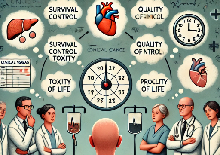 K. Ribi, N. Kalbermatten, M. Eicher, F. Strasser
Towards a novel approach guiding the decision-making process for anticancer treatment in patients with advanced cancer: framework for systemic anticancer treatment with palliative intent
Patient-centered cancer care, Advanced cancer decision-making, Stepwise decisional process, Palliative care domains, Illness understanding in oncology, Symptom control in cancer, End-of-life preparation, Patient-physician interaction, SACT-PI Decision Fra
Patient-centered decisions in advanced cancer care demand a step-wise decisional process, not a single decision act. The decision process includes key palliative care domains, e.g. illness understanding, symptom control, or end-of-life preparation. Patients' attitudes, beliefs, hopes, patient-ph…
Jun 1st • 25 mins read

 Envision Pharma Group
Patient involvement: A must-have in medicine development, but is it being overlooked in a cost-constrained environment?
patient engagement in pharma, patient-centric drug development, life sciences industry innovation, patient insights in medicine, regulatory compliance in patient engagement, patient involvement in clinical trials, benefits of patient advocacy, patient-cen
The life sciences industry is in a constant state of advancement, bringing more and more groundbreaking medicines, cutting-edge technologies, and innovative solutions to market. Amidst these rapid changes, patients remain at the heart of these scientific developments. In recent decades, the l…
May 9th • 5 mins read
 J. Mulder, S. Teerenstra, P. B. van Hennik, A. M. G. Pasmooij, V. Stoyanova-Beninska, E. E. Voest & A. de Boer
Single-arm trials supporting the approval of anticancer medicinal products in the European Union: contextualization of trial results and observed clinical benefit
single-arm trials, anticancer medicinal products, EU, trial, SAT's, oncology, European Medicines Agency, clinical benefit, contextualization
Between 2012 and 2021, 18 anticancer medicinal products for solid tumors were approved in the EU based on 21 SATs (single-arm trials). Pivotal SAT-based applications often included additional information for contextualization, such as supportive studies and external evidence. Thresholds for…
Apr 11th • 14 mins read
 Robbe Saesen, Mieke Van Hemelrijck, Jan Bogaerts, Christopher M. Booth, Jan J. Cornelissen, Andre Dekker, Elizabeth A. Eisenhauer, André Freitas, Alessandro Gronchi, Miguel A. Hernán, Frank Hulstaert, Piet Ost, Petr Szturz, Helena M. Verkooijen, Michael W
Defining the role of real-world data in cancer clinical research: The position of the
real-world data, real-world evidence, randomised, pragmatic trials, cancer, clinical research, add-on cohorts
Real-World Data (RWD) are increasingly used in cancer clinical research as an alternative evidence source. RWD studies primarily involve observational data, which offer insights into real-world conditions but may have quality limitations. Some research questions necessitate Randomized Controlled…
Mar 20th • 10 mins read