
Results for 'safety'

 Rinda Devi Bachu, Mariam Abou-Dahech, Swapnaa Balaji, Sai H. S. Boddu, Samson Amos, Vishal Singh, R. Jayachandra Babu, Amit K. Tiwari
Oncology biosimilars: New developments and future directions
biologics in cancer treatment, biosimilars development, high cost of biologics, healthcare system burden, biosimilars safety, regulatory guidelines for biosimilars, immunogenicity concerns, pharmacoeconomics of biosimilars
Biologics are essential in cancer treatment as both therapeutic and supportive care agents, but they are expensive and require extensive testing to ensure safety. The high cost of developing and manufacturing biologics can be a burden on healthcare systems, limiting patient access to necessary tr…
Nov 25th • 30 mins read
 Fernando Petracci, Chirag Ghai, Andrew Pangilinan, Luis Alberto Suarez, Roberto Uehara, Marwan Ghosn
Use of real-world evidence for oncology clinical decision making in emerging economies
Asia-Pacific, effectiveness, electronic database, health policy, Latin America, Middle East, randomized clinical trials, real-world data, real-world evidence, safety
Despite RWE being a relatively nascent concept in emerging economies, we have seen evidence of increasing use over the past 5 years growing at 11% per year. That said, barriers specific to emerging economies need to be overcome through collaborative efforts, with regulatory agencies at the forefront…
May 5th • 12 mins read
 Jonathan H Seltzer MD, MBA, MA, Gary Gintant PhD, Laleh Amiri-Kordestani MD, Jack Singer MD, Luana Pesco Koplowitz MD, PhD, Javid J Moslehi MD, Ana Barac MD, PhD, Anthony F. Yu MD
Assessing cardiac safety in oncology drug development
Cardiac safety, cardiovascular, FDA, CSRC
The Cardiac Safety Research Consortium (CSRC) highlighted the importance of addressing cardiovascular (CV) adverse effects in oncology drug development during a Think Tank meeting in October 2017. With over 1,600 cancer therapies in development, the cardiovascular toxicity of cancer treatments has b…
Jun 12th • 12 mins read
 Nicole M. Kuderer and Gary H. Lyman
Evolving Landscape of US Food and Drug Administration Drug Approval in the Era of Precision Oncology: Finding the Right Balance Between Access and Safety
FDA, trials, drug approval, access, safety
Balance is needed between enhancing drug access and ensuring patient safety. Accurate surrogate endpoints and sophisticated trial designs are crucial for predicting clinical benefits. Safety data before final approvals and postapproval assessments for vulnerable populations are necessary. Value…
Jun 20th • 3 mins read
 Gregory S. Calip, PharmD, MPH, PhD, Ivy P. Altomare, MD, Jenny S. Guadamuz, MSPH, PhD
Evaluating External Validity of Oncology Biosimilar Safety Studies
biologics, external validity, FDA, biosimilars, trastuzumab
Biologics are the fastest growing medication class in the US, significantly contributing to healthcare costs. The Biologics Price Competition and Innovation Act of 2009 created an abbreviated approval pathway to make biological products more accessible. A phase 3 randomized trial of SB3, a trast…
Apr 6th • 2 mins read
 Aaron S. Long, BS; Audrey D. Zhang, MD; Caitlin E. Meyer, MLIS; Alexander C. Egilman, BS; Joseph S. Ross, MD, MHS; Joshua D. Wallach, PhD, MS
Evaluation of Trials Comparing Single-Enantiomer Drugs to Their Racemic Precursors: A Systematic Review
single-enantiomer racemic drug pairs, single-enantiomer, FDA, RCTs, generic drugs
Chiral Switching: A strategy where drug manufacturers develop a single-enantiomer formulation from a racemic one to extend market exclusivity, often without proving enhanced efficacy or safety. Objective: To evaluate randomized clinical trials (RCTs) comparing FDA-approved single-enantiomer drugs…
May 6th • 18 mins read
 Emmanuelle Jacqueta, Ghania Kerouani-Lafayeb, Francoise Grudeb, Sergio Goncalvesb, Annie Lorenced, Florence Turcryb, Liora Brunelb, Laetitia Belgodereb, Adrien Monardc, Gaëlle Guyaderb, Lotfi Boudalib, Nicolas Albin
Comparative study on anticancer drug access times between FDA, EMA and the French temporary authorisation for use program over 13 years
Innovation, Expanded access, Early drug access, Cancer, FDA, EMA
Cancer incidence is increasing globally, and while medical innovation significantly impacts patient survival, the drug development process is lengthy, often exceeding 10 years for marketing authorization (MA). France has implemented the ATU (Temporary Authorization for Use) program to facil…
Apr 7th • 12 mins read
 Thakur, Sayanta & Lahiry, Sandeep
Accelerated drug approvals in oncology: Pros and cons
Clinical study, drug approval, medical oncology
The summary of the content highlights the success of the accelerated approval process, especially for oncology drugs. Key points include: The rise of accelerated approval processes is significant, particularly in oncology. The use of surrogate endpoints and their validation has been debated. Th…
Sep 14th • 4 mins read
 Sonoko Kawakatsu, René Bruno, Matts Kågedal, Chunze Li, Sandhya Girish, Amita Joshi, Benjamin Wu
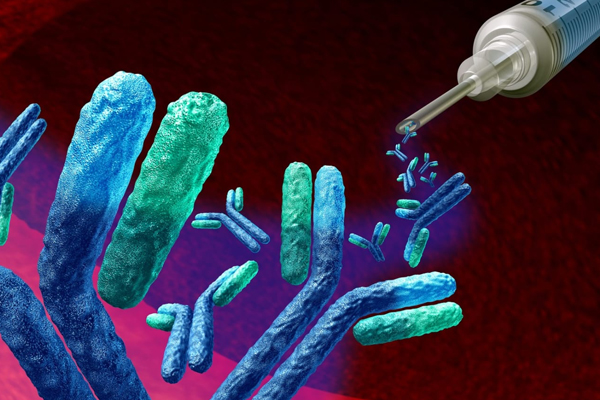
Confounding factors in exposure–response analyses and mitigation strategies for monoclonal antibodies in oncology
monoclonal antibodies, E-R analyses, tumour growth inhibition, drug development
Dose selection and optimization is crucial in drug development to maximize benefits for all patients. Exposure–response (E-R) analysis is useful for dose-selection strategy, but in oncology, prognostic factors can confound the analysis, especially for monoclonal antibodies. The review addr…
Nov 20th • 12 mins read
Consolación Molto MD, Thomas J. Hwang AB, Maria Borrell MD, Marta Andres MD, Ignasi Gich MD, PhD, Agustí Barnadas MD, PhD, Eitan Amir MD, PhD, Aaron S. Kesselheim MD, JD, MPH, Ariadna Tibau MD, PhD
Clinical benefit and cost of breakthrough cancer drugs approved by the US Food and Drug Administration
USFDA, ESMO-MCBS, NCCN, ASCO-CRC, clinical, drug aroval
The study evaluates the clinical benefit and pricing of breakthrough-designated versus non-breakthrough-designated cancer drugs. The analysis covers approvals from July 2012 to December 2017, using frameworks like ASCO-VF, ASCO-CRC, ESMO-MCBS, and NCCN Evidence Blocks. High clinical benef…
Jul 22nd • 12 mins read
 Dean Bottino, Rachael Liu, Hojjat Bazzazi, Karthik Venkatakrishnan
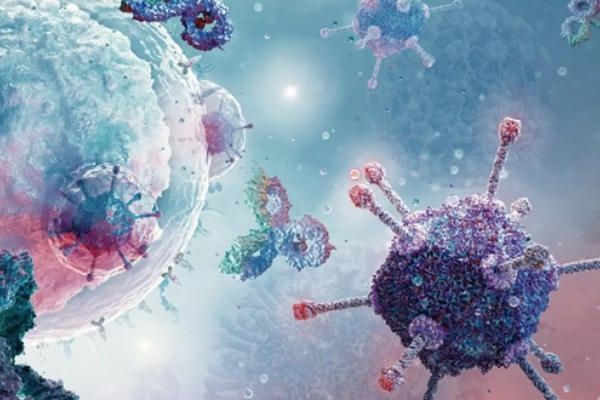
Quantitative Translation in Immuno-Oncology Research and Development
Quantitative Translation, Immuno-Oncology, Research, Development, CIC
Exploring the therapeutic potential of the rapidly expanding field of immuno-oncology (IO) drug targets and diverse therapeutic modalities. Recognizing the need for principled decisions based on biologically sound quantitative translation in a competitive clinical research environment. High…
Jul 9th • 3 mins read
 Cornelius F Waller & Adriano Friganovi´c
Biosimilars in oncology: key role of nurses in patient education
biologics, biosimilars, cancer care, nurse
Biosimilars can reduce costs and improve access to cancer therapies, but unfamiliarity may hinder their adoption. Nurses, as trusted healthcare providers, are crucial in educating patients about biosimilars. Biosimilars are highly regulated and offer benefits comparable to existing biologic…
Jun 15th • 10 mins read
 Mateusz T. Wasylewski, Karolina Strzebonska, Magdalena Koperny, Maciej Polak, Jonathan Kimmelman, Marcin Waligora
Clinical development success rates and social value of pediatric Phase 1 trials in oncology
pediatric oncology, clinical development, trials, success rates
Pediatric Phase 1 trials in oncology aim to assess social value, focusing on rates of approval, transition to further phases, and citation in research. The study analyzed trials from 2004 to 2013, utilizing data from FDA, EMA, ClinicalTrials.gov, EU Clinical Trials Register, and Google Scholar. …
Jun 21st • 28 mins read
 Melissa H. Roberts & Gary T. Ferguson
Real-World Evidence: Bridging Gaps in Evidence to Guide Payer Decisions
Real world evidence, RWE, payer decisions, RWD
Randomized controlled trials (RCTs) are preferred by payers for health technology assessments and coverage decisions, but they may not reflect real-world clinical practice. Real-world evidence (RWE) from observational studies can fill evidence gaps not addressed by RCTs and is valuable for payer …
Jun 18th • 6 mins read
 Audrey D. Zhang, Jeremy Puthumana, Nicholas S. Downing, MD
Assessment of Clinical Trials Supporting US Food and Drug Administration Approval of Novel Therapeutic Agents, 1995-2017
clinical trials, FDA, Novel therapeutic agents, biologics
The number of special regulatory programs for drug and biologic approvals by the FDA has increased since the introduction of the Fast Track designation in 1988. This study analyzed 273 new drugs and biologics approved by the FDA for 339 indications across three periods: 1995-1997, 2005-2007,…
Apr 21st • 20 mins read
 Sean X Zhang, MSc , Dean Fergusson, PhD , Jonathan Kimmelman, PhD
Proportion of Patients in Phase I Oncology Trials Receiving Treatments That Are Ultimately Approved
cancer, biological markers, phase 1 clinical trials, drug approval, medical oncology, united states food and drug administration guidelines, adverse event, national comprehensive cancer network, American society of clinical oncology
Phase I oncology trials are often considered a therapeutic option, but this claim is primarily based on surrogate measures like objective response rates. A systematic search was conducted to evaluate the therapeutic value of phase I cancer trial participation, focusing on the likelihood of patien…
Apr 1st • 14 mins read
 Benjamin Gregory Carlisle, Adélaïde Doussau, Jonathan Kimmelman
Patient burden and clinical advances associated with post approval monotherapy cancer drug trials: a retrospective cohort study
clinical advances, monotherapy cancer drug trials, FDA
Objective: The study investigates the efforts to extend the uses of new drugs by testing them for new, non-approved indications and examines the patient burden and clinical impact. Design and Setting: A retrospective cohort study focused on post-approval trials of anticancer drugs approved betwee…
Feb 17th • 7 mins read
 Mariam A. Ahmed, Chirag Patel, Nicole Drezner, Whitney Helms, Weiwei Tan, Daria Stypinski
Pivotal Considerations for Optimal Deployment of Healthy Volunteers in Oncology Drug Development
drug development, healthy, volunteers, oncology clinical trial
The content discusses the challenges and opportunities in conducting oncology clinical trials, particularly focusing on trials involving normal healthy volunteers (NHVs) and patients with cancer. There are over 5,000 ongoing oncology trials in the U.S., with low enrollment rates among adult c…
Oct 31st • 20 mins read
 S.E. Abdullah, E. Oflazoglu, J.C. Soria, M.M. Dar
New Realities of Phase I Clinical Trials in the Era of
durvalumab, durvalumab experience, clinical trials, immunotherapy
The development of cancer immunotherapy, particularly durvalumab, has progressed rapidly due to innovative strategies, such as novel study designs. Durvalumab, an anti-PD-L1 monoclonal antibody, was developed by AstraZeneca starting in 2012, with initial trials leading to its accelerated appr…
Oct 7th • 5 mins read
 Guillaume Beinse, MD, Virgile Tellier, Valentin Charvet, MSc, Eric Deutsch, MD, PhD, Isabelle Borget, PharmD, PhD, Christophe Massard, MD, PhD., Antoine Hollebecque, MD, PhD, and Loic Verlingue, MD
Prediction of Drug Approval After Phase I Clinical Trials in Oncology: RESOLVED2
clinical trials, RESOLVED2, FDA
Challenge in Oncology Drug Development: The field is currently facing an increase in the number of antineoplastic agents (ANAs) entering phase I clinical trials (P1CTs) and a high attrition rate for final FDA approval. Objective: Development of a machine learning algorithm, RESOLVED2, to …
Sep 20th • 12 mins read