
Results for 'biosimilars safety'
 Cornelius F Waller & Adriano Friganovi´c
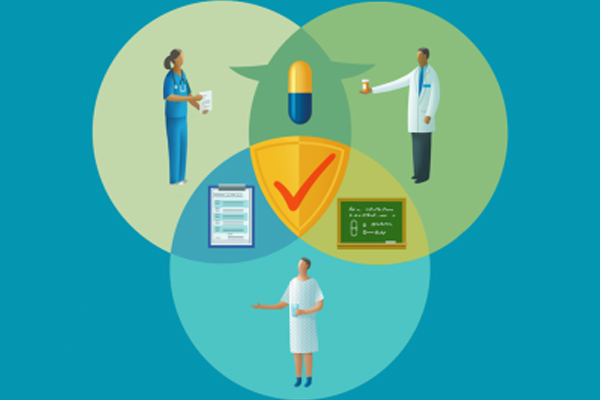
Biosimilars in oncology: key role of nurses in patient education
biologics, biosimilars, cancer care, nurse
Biosimilars can reduce costs and improve access to cancer therapies, but unfamiliarity may hinder their adoption. Nurses, as trusted healthcare providers, are crucial in educating patients about biosimilars. Biosimilars are highly regulated and offer benefits comparable to existing biologic…
Jun 15th • 10 mins read
 YuQian Liu, PharmD
Uptake of Oncology Biosimilars: Managed Care Strategies to Improve Value-Based Care Systems
biosimilars in oncology, cost-effective cancer care, healthcare education, bioequivalence studies, biosimilar adoption, cancer treatment protocols
Biosimilars offer a cost-effective alternative in oncology, expanding access to cancer care, but their utilization is inconsistent due to varying perceptions and knowledge among stakeholders. Increasing the adoption of biosimilars requires improved education and understanding among healthcare pro…
Jul 7th • 25 mins read
 Rinda Devi Bachu, Mariam Abou-Dahech, Swapnaa Balaji, Sai H. S. Boddu, Samson Amos, Vishal Singh, R. Jayachandra Babu, Amit K. Tiwari
Oncology biosimilars: New developments and future directions
biologics in cancer treatment, biosimilars development, high cost of biologics, healthcare system burden, biosimilars safety, regulatory guidelines for biosimilars, immunogenicity concerns, pharmacoeconomics of biosimilars
Biologics are essential in cancer treatment as both therapeutic and supportive care agents, but they are expensive and require extensive testing to ensure safety. The high cost of developing and manufacturing biologics can be a burden on healthcare systems, limiting patient access to necessary tr…
Nov 25th • 30 mins read
 Deeksha Joshi, Rubiya Khursheed, Saurabh Gupta, Diksha Wadhwa, Thakur Gurjeet Singh, Sumit Sharma, Sejal Porwal, Swati Gauniyal, Sukriti Vishwas, Sanjay Goyal, Gaurav Gupta, Rajaraman D. Eri, Kylie A. Williams, Kamal Dua, Sachin Kumar Singh
Biosimilars in Oncology: Latest Trends and Regulatory Status
oncology, biologics, biosimilars, regulatory framework, traceability
Biologic-based medicines are crucial in treating various diseases, particularly cancer, and hold a significant portion of the global pharmaceutical market. Biosimilars, which are highly similar to biologic drugs but not identical, offer potential benefits such as enhanced access and cost savings,…
Dec 5th • 20 mins read
 Gregory S. Calip, PharmD, MPH, PhD, Ivy P. Altomare, MD, Jenny S. Guadamuz, MSPH, PhD
Evaluating External Validity of Oncology Biosimilar Safety Studies
biologics, external validity, FDA, biosimilars, trastuzumab
Biologics are the fastest growing medication class in the US, significantly contributing to healthcare costs. The Biologics Price Competition and Innovation Act of 2009 created an abbreviated approval pathway to make biological products more accessible. A phase 3 randomized trial of SB3, a trast…
Apr 6th • 2 mins read
 John Devin Peipert, PhD, Karen Kaiser, PhD, Sheetal Kircher, MD, George J. Greene, PhD, Sara Shaunfield, PhD, Katherina Hauner, PhD, David Cella, PhD, and Daniel K. Mroczek, PhD
Medical Oncologists’ Knowledge and Perspectives on the Use of Biosimilars in the United States
oncologist, biosimilars, ASCO, FDA, RSP
Most oncologists (88%) treated patients with biosimilars, and 63% reported that biosimilars were required at their institutions. Approximately half (52%) correctly identified that biosimilars are not the same as generic medicines. Common barriers to biosimilar use included concerns abou…
Jan 9th • 9 mins read
 Qiyou Wu, Zhiwei Lian, Xin Wang, Hanchao Cheng, Jing Sun, Hui Yu, Gong Zhang, Fan Wu, Jian Liu and Chuanben Chen
Factors associated with the uptake of biosimilars for breast cancer treatment from the perspectives of physicians and patients-Evidence from China
biosimilar, breast cancer, uptake, physician, patient
In 2021, the trastuzumab biosimilar entered clinical use in the research setting with less than 20% uptake in China, significantly lower than in the EU. Older patients are more likely to adopt biosimilars due to price sensitivity and financial concerns. Only 11.3% of patients switched from …
Jan 12th • 13 mins read
 John Hair, Thomas Maryon, and Cristian Lieneck
Identification of Barriers Preventing Biosimiliar Oncology Medication Adoption
oncology, cancer, biosimilar, barriers, access, obstacles
Biosimilars are biologic medical products that are almost identical to original biologics but are produced by different companies. They are safe, effective, and can reduce costs for insurers and patients. Despite the benefits, barriers exist for oncologists and cancer centers in prescribing biosi…
Oct 27th • 30 mins read