
Results for 'adult'

 Thomas J. Hwang, Liat Orenstein, Steven G. DuBois, Katherine A. Janeway, Florence T. Bourgeois
Pediatric Trials for Cancer Therapies With Targets Potentially Relevant to Pediatric Cancers
antineoplastic agents, adult, child, pediatrics, continental population groups, united states food and drug administration, statutes and laws, cancer therapy, childhood cancer, molecular target
The Research to Accelerate Cures and Equity (RACE) for Children Act was enacted in 2017. The Act authorizes the US FDA to require pediatric studies for new cancer drugs with molecular targets relevant to pediatric cancers. An examination of 78 adult cancer drugs approved by the FDA from 2007 to …
Oct 29th • 10 mins read
 Carrie Printz
Precision medicine for pediatric cancers lags behind that for adult cancers: Citing hurdles in clinical trial recruitment and drug development, researchers are exploring ways to close gaps
Precision Medicine, pediatrics, clinical trials
Pediatric precision oncology faces challenges due to the rarity of pediatric cancers, which limits research and funding compared to adult cancers. Dr. Katherine Janeway highlights the need for more validated pre-clinical models and pharmaceutical interest in pediatric cancers. The RACE Act, effe…
Jan 9th • 2 mins read
 Siddharth Agrawal, Nidhi Bansal
Advances and Challenges in Pediatric and Childhood Cancers
CNS, central nervous system, ES, Ewing sarcoma, MB, medulloblastoma, PTSD, post traumatic stress disorder, RB, retinoblastoma
Pediatric cancers, while uncommon compared to adult cancers, include leukemia, CNS tumors, lymphoma, Wilms' tumor, and retinoblastoma. Challenges in pediatric cancer treatment encompass late diagnosis, varied immune responses, preserving fertility, minimizing late effects, and considering lo…
Jun 27th • 2 mins read
 Mateusz T. Wasylewski, Karolina Strzebonska, Magdalena Koperny, Maciej Polak, Jonathan Kimmelman, Marcin Waligora
Clinical development success rates and social value of pediatric Phase 1 trials in oncology
pediatric oncology, clinical development, trials, success rates
Pediatric Phase 1 trials in oncology aim to assess social value, focusing on rates of approval, transition to further phases, and citation in research. The study analyzed trials from 2004 to 2013, utilizing data from FDA, EMA, ClinicalTrials.gov, EU Clinical Trials Register, and Google Scholar. …
Jun 21st • 28 mins read
 Dylan V Neel, David S Shulman, Clement Ma, Florence Bourgeois, Steven G DuBois
Sponsorship of oncology clinical trials in the United States according to age of eligibility
clinical trials, industry, oncology, pediatric, sponsorship
The sponsorship mix of trials relevant to young people with cancer has not been well-documented, which may impact policies and regulations in pediatric cancer drug development. An analysis of interventional trials in the U.S. from 2007 to 2018 was conducted using the ClinicalTrials.gov registry, …
Apr 29th • 8 mins read
 Carrie Printz
First person profile: Supriya G. Mohile, MD, MS: A respected geriatric oncologist, Dr. Mohile has conducted innovative research on improving care for older patients with cancer
Supriya G. Mohile, geriatric oncologist
Ms. Canin and Dr. Mohile collaborated to involve patients and caregivers in geriatric oncology studies, forming the SCOREboard advisory group. Dr. Mohile received a $2 million grant to create infrastructure for cancer and aging studies, and she is recognized as a leader in geria…
Oct 11th • 2 mins read
 Meena N Murugappan, PharmD, MPH, PhD(c), Bellinda L King-Kallimanis, PhD, Gregory H Reaman, MD, Vishal Bhatnagar, MD, Erica G Horodniceanu, MPH, Najat Bouchkouj, MD, Paul G Kluetz, MD
Patient-Reported Outcomes in Pediatric Cancer Registration Trials: A US Food and Drug Administration Perspective
cancer, pediatrics, product labeling, united states food and drug administration, childhood cancer, denosumab, surrogate endpoints, adverse event, patient self-report, pediatric oncology, selumetinib, benefit-risk assessment, tisagenlecleucel, statistica
PROs have been feasible to collect from patients as young as 7 years old and were included in trials from 2013 onward. PROs were used as exploratory endpoints in four product applications but not included in product labeling. To include PRO data in FDA labeling, early interaction with the FDA, c…
Apr 30th • 12 mins read
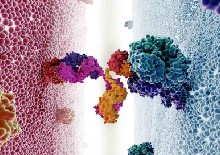 Alison Betts, Piet H. van der Graaf
Mechanistic Quantitative Pharmacology Strategies for the Early Clinical Development of Bispecific Antibodies in Oncology
bispecific antibodies, mechanistic quantitative, pharmacology, strategies, bsAbs, immune cells, MABEL aproach
Bi-specific antibodies (bsAbs) are crucial in cancer therapy research. BsAbs offer advantages such as enhanced efficacy and reduced systemic toxicity. Early clinical trials face challenges with dose selection and predicting effective doses. Clinical variability is influenced by factors like fun…
Jun 24th • 18 mins read
 Dylan V. Neel, MPhil, David S. Shulman, MD, and Steven G. DuBois, MD
Timing of first-in-child trials of FDA-approved oncology drugs
pediatric cancer; phase 1 trials; drug development; targeted therapy; disparity
Aim: To define the lag time between initial human studies and first-in-child clinical trials of oncology agents. Methods: Systematic analysis of time from first-in-human trials to first-in-child trials for agents approved by the FDA from 1997 to 2017. Dat…
Mar 18th • 10 mins read