
Results for 'drug labeling'
 Sonoko Kawakatsu, René Bruno, Matts Kågedal, Chunze Li, Sandhya Girish, Amita Joshi, Benjamin Wu
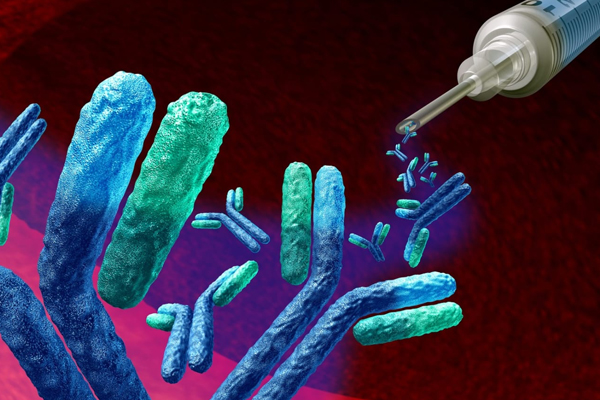
Confounding factors in exposure–response analyses and mitigation strategies for monoclonal antibodies in oncology
monoclonal antibodies, E-R analyses, tumour growth inhibition, drug development
Dose selection and optimization is crucial in drug development to maximize benefits for all patients. Exposure–response (E-R) analysis is useful for dose-selection strategy, but in oncology, prognostic factors can confound the analysis, especially for monoclonal antibodies. The review addr…
Nov 20th • 12 mins read
 Meena N Murugappan, PharmD, MPH, PhD(c), Bellinda L King-Kallimanis, PhD, Gregory H Reaman, MD, Vishal Bhatnagar, MD, Erica G Horodniceanu, MPH, Najat Bouchkouj, MD, Paul G Kluetz, MD
Patient-Reported Outcomes in Pediatric Cancer Registration Trials: A US Food and Drug Administration Perspective
cancer, pediatrics, product labeling, united states food and drug administration, childhood cancer, denosumab, surrogate endpoints, adverse event, patient self-report, pediatric oncology, selumetinib, benefit-risk assessment, tisagenlecleucel, statistica
PROs have been feasible to collect from patients as young as 7 years old and were included in trials from 2013 onward. PROs were used as exploratory endpoints in four product applications but not included in product labeling. To include PRO data in FDA labeling, early interaction with the FDA, c…
Apr 30th • 12 mins read
 Paul G. Kluetz, Patricia Keegan, George D. Demetri, Katherine Thornton, Joohee Sul, Janice Kim, Harvey Katzen, Laurie Beth Burke, R. Donald Harvey, Elleni Alebachew, Sundeep Agrawal, Abhilasha Nair, Martha Donoghue
FDA Oncology Center of Excellence Project Renewal: Engaging the Oncology Community to Update Product Labeling for Older Oncology Drugs
FDA labeling format, PLR format, oncology drugs, FDA
The FDA conducts independent reviews of scientific data to ensure the safety and efficacy of investigational drug products. FDA-approved product labeling is a highly trusted source of information for approved drug use. FDA approval is only the beginning of a drug's lifecycle, with ongoing c…
Feb 15th • 13 mins read
 Stephanie Faucette, Santosh Wagh, Ashit Trivedi, Karthik Venkatakrishnan, Neeraj Gupta
Reverse Translation of US Food and Drug Administration Reviews of Oncology New Molecular Entities Approved in 2011-2017: Lessons Learned for Anticancer Drug Development
clinical pharmacology, FDA reviews, PMR, PMC, molecular entitites, anticancer drug development
The article discusses optimizing oncology drug development, focusing on the impact of pharmacokinetic factors like food effects and drug interactions. It recommends early evaluation of these factors to enhance dosing accuracy and patient compliance. Advanced modeling and simulation are suggested to …
Mar 11th • 15 mins read
 Ariadna Tibau, Consolación Molto, Alberto Ocana, Arnoud J Templeton, Luis P Del Carpio, Joseph C Del Paggio, Agustí Barnadas, Christopher M Booth, Eitan Amir
Magnitude of Clinical Benefit of Cancer Drugs Approved by the US Food and Drug Administration
antineoplastic agents, immunologic adjuvants, pharmaceutical adjuvants, phase 3 clinical trials, drug approval, drug labeling, medical oncology, united states food and drug administration, diagnosis, palliative care, surrogate endpoints, weight measureme
Regulatory agencies assess drug safety and efficacy, but thresholds may differ from those accepted by clinicians . Only 43.8% of RCTs for FDA-approved drugs meet the ESMO-MCBS threshold for meaningful benefit, reflecting potential softening of FDA standards. Encouraging trends include an increas…
Dec 13th • 7 mins read