
Results for 'molecular target'

 Charles Oo, Barbara Ameer
Revamping the ever-changing landscape of drug development processes in the midst of COVID-19 pandemic
Oncology drug class, Cancer indication, Molecularly targeted, Drug Development
Oncology is the front-line of drug development. The current pharmaceutical pipeline is disproportional focused on oncology, where about 1/3 of all phases of development is in this therapeutic area. The emphasis brings about substantial breakthroughs and has made positive impact on the quality of lif…
Apr 29th • 2 mins read
 Yafang Huanga, Weiyi Xiongb, Jingwei Zhaoa, Wentao Lia, Li Mac, Hao Wua
Early phase clinical trial played a critical role in the Food and Drug Administration-approved indications for targeted anticancer drugs: a cross-sectional study from 2012 to 2021
Early phase clinical trial, Dose-expansion cohort, Single-arm trial, Pivotal trial, FDA approved indications, Targeted anticancer drugs
Analysis of 188 FDA-approved indications for 95 molecular targeted anticancer drugs between 2012 and 2021. 59.6% of indications were approved based on Early Phase Clinical Trials (EPCTs). There was a notable annual increase of 22.2% in approvals based on EPCTs, compared to a 5.0% increase for ph…
Mar 9th • 10 mins read
 Thomas J. Hwang, Liat Orenstein, Steven G. DuBois, Katherine A. Janeway, Florence T. Bourgeois
Pediatric Trials for Cancer Therapies With Targets Potentially Relevant to Pediatric Cancers
antineoplastic agents, adult, child, pediatrics, continental population groups, united states food and drug administration, statutes and laws, cancer therapy, childhood cancer, molecular target
The Research to Accelerate Cures and Equity (RACE) for Children Act was enacted in 2017. The Act authorizes the US FDA to require pediatric studies for new cancer drugs with molecular targets relevant to pediatric cancers. An examination of 78 adult cancer drugs approved by the FDA from 2007 to …
Oct 29th • 10 mins read
 Kirill Peskov, Ivan Azarov, Lulu Chu, Veronika Voronova, Yuri Kosinsky, Gabriel Helmlinger
Quantitative Mechanistic Modeling in Support of Pharmacological Therapeutics Development in Immuno-Oncology
immuno-oncology, mechanistic models, tumor vs. immune system, systems pharmacology, pharmacokinetics, pharmacodynamics, molecular and cellular biomarkers
There has been significant growth in the development of immuno-modulating pharmacological treatments for various cancers following the approval of the first immune checkpoint inhibitor. Challenges in immuno-oncology (IO) drug development are complex and span from the discovery phase to late-…
Apr 30th • 12 mins read
 Dylan V. Neel, MPhil, David S. Shulman, MD, and Steven G. DuBois, MD
Timing of first-in-child trials of FDA-approved oncology drugs
pediatric cancer; phase 1 trials; drug development; targeted therapy; disparity
Aim: To define the lag time between initial human studies and first-in-child clinical trials of oncology agents. Methods: Systematic analysis of time from first-in-human trials to first-in-child trials for agents approved by the FDA from 1997 to 2017. Dat…
Mar 18th • 10 mins read

 iNIZIO
Transforming oncology: Five frontiers driving progress in cancer care
From biomarker-driven breakthroughs to AI-powered early detection and a renewed commitment to equity and patient centricity, the past 12 months have seen major strides across cancer research, treatment, and communication. At Inizio, we’ve had a front-row seat to this transformation, supporting…
May 16th • 5 mins read
 Ali Raza Khaki
Loose Regulatory Standards Portend a New Era of Imprecision Oncology
precision oncology, TMB-high, homologous recombination deficiency, Olaparib, pembrolizumab
Precision oncology aims to tailor cancer treatment based on genetic understanding, revolutionizing oncology. The FDA has been approving drugs under precision oncology with broad indications that may not align with studied populations. Examples include the approval of pembrolizumab for a wide ran…
Dec 1st • 4 mins read
 J. Remon, R. García-Campelo, E. de Álava, R. Vera, J. L. Rodríguez-Peralto, Á. Rodríguez-Lescure, B. Bellosillo, P. Garrido, F. Rojo & R. Álvarez-Alegret
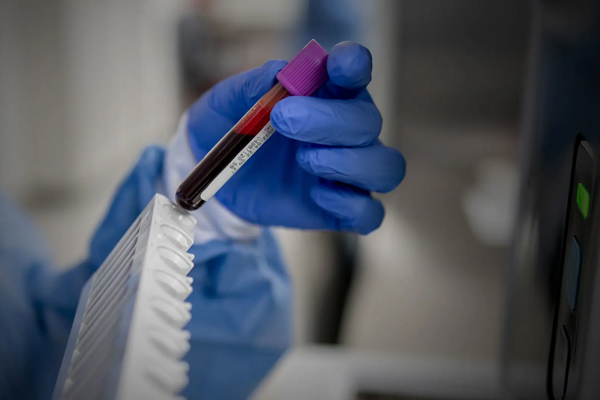
Liquid biopsy in oncology: a consensus statement of the Spanish Society of Pathology and the Spanish Society of Medical Oncology
Liquid biopsy, ctDNA, Oncology, Genomic profling, Precision medicine
The proportion of cancer patients with tumors having potentially targetable genomic alterations is increasing. Diagnosing these alterations can lead to tailored treatments and provide additional predictive information on immunotherapy efficacy. In many cases, initial tissue biopsies are ina…
Sep 26th • 17 mins read
 Tanja Cufer, Tudor E. Ciuleanu, Peter Berzinec, Gabriela Galffy, Marko Jakopovic, Jacek Jassem, Dragana Jovanovic, Zhasmina Mihaylova, Gyula Ostoros, Christiane Thallinger, Milada Zemanova, Christoph Zielinski
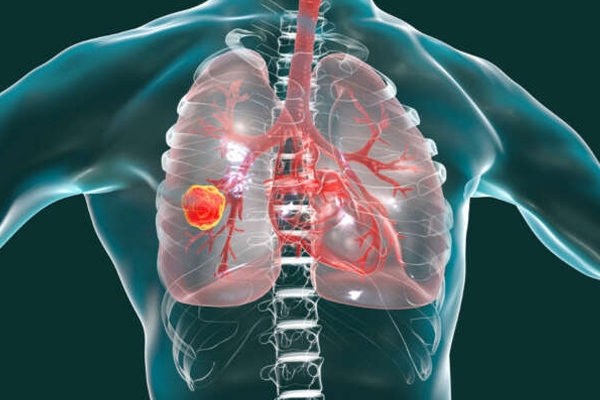
Access to Novel Drugs for Non-Small Cell Lung Cancer in Central and Southeastern Europe: A Central European Cooperative Oncology Group Analysis
Health Outcomes and Economics of Cancer Care, Lung Cancer, NSCLC, EMA
Treatment for non-small cell lung cancer (NSCLC) has significantly improved with the introduction of targeted and immune-oncologic drugs. Despite rapid development and European Medicinal Agency (EMA) registration, these novel drugs are not easily accessible in Central and Eastern European (CEE) c…
Nov 24th • 10 mins read
 J. Remon, R. García-Campelo, E. de Álava, R. Vera, J. L. Rodríguez-Peralto, Á. Rodríguez-Lescure, B. Bellosillo, P. Garrido, F. Rojo & R. Álvarez-Alegret
Liquid biopsy in oncology: a consensus statement of the Spanish Society of Pathology and the Spanish Society of Medical Oncology
Liquid biopsy, ctDNA, Oncology, Genomic profling, Precision medicine
The proportion of cancer patients with tumours that have targetable genomic alterations is increasing, which is crucial for tailored treatment and predicting immunotherapy efficacy. Initial tissue biopsies are often inadequate for precision oncology, and obtaining new tumour tissues at pr…
Sep 26th • 16 mins read
 G. Zarkavelis A.L. Amylidi C. Verbaanderd N.I. Cherny Y. Metaxas E.G.E. de Vries P. Zygoura T. Amaral K. Jordan M. Strijbos U. Dafni N. Latino M. Galotti F. Lordick R. Giuliani F. Pignatti G. Pentheroudakis
Off-label despite high-level evidence: a clinical practice review of commonly used off-patent cancer medicines
off-label, ESMO-MCBS, EMA, cancer, ESMO Clinical Practice Guidelines
Several 'old' cancer medicines remain off-label despite strong scientific evidence supporting their use in specific settings. Off-label prescriptions often carry administrative and legal burdens for physicians, affecting workflows and potentially patient access to safe and effective therapies. R…
Nov 14th • 21 mins read
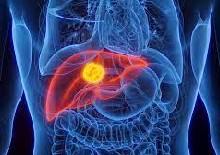 Sean P Martin, Xin Wei Wang
The evolving landscape of precision medicine in primary liver cancer
liver cancer, personalized care, precision medicine
The field of oncology and cancer research is changing. As our understanding of the underlying biology of the disease improves, the one-size-fits-all treatment model has been exposed as inadequate. PLC is among the hardest to treat malignancies and as such carries one of the worst prognoses. While th…
Mar 29th • 3 mins read